- joseph@shangzuchem.com
- Mon - Sat at 7:00AM to 9:00AM
Mar . 17, 2026 17:00 Back to list
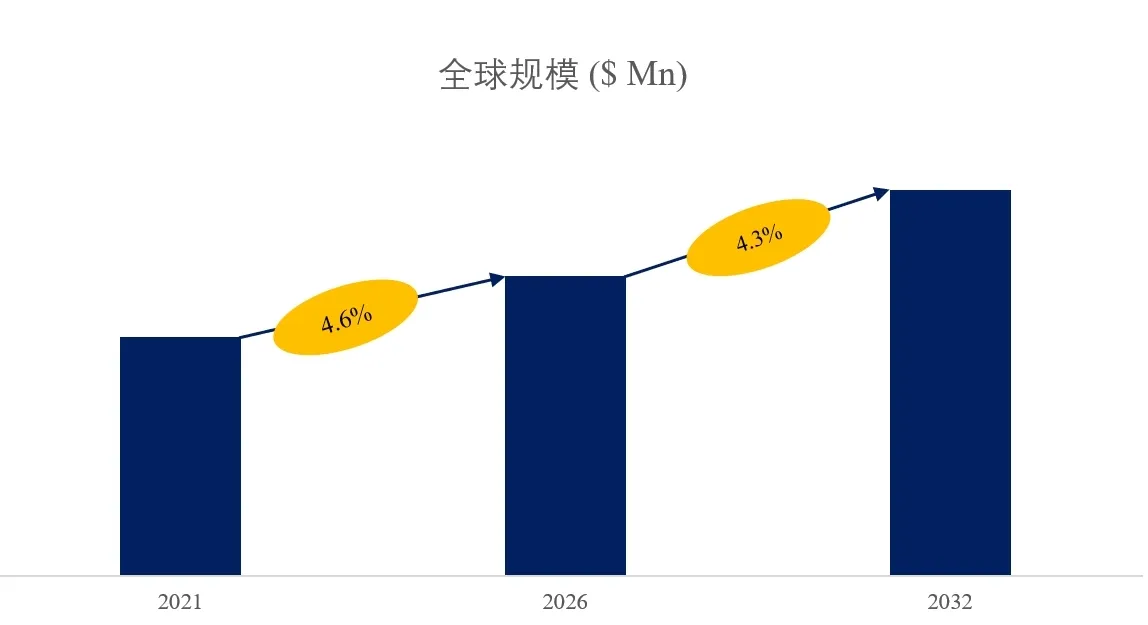
The global market size of powdered hydroxypropyl methylcellulose (HPMC) is projected to reach $990 million by 2032.
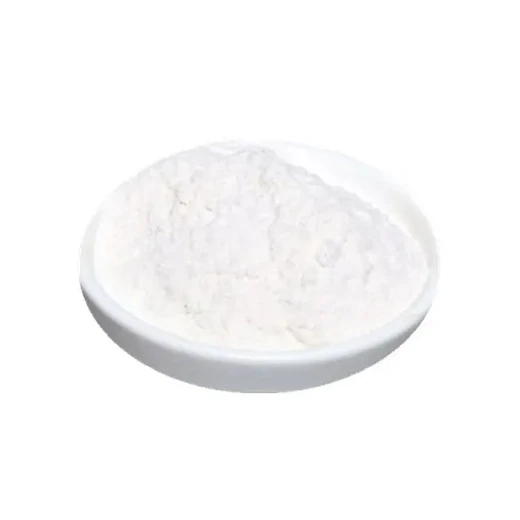
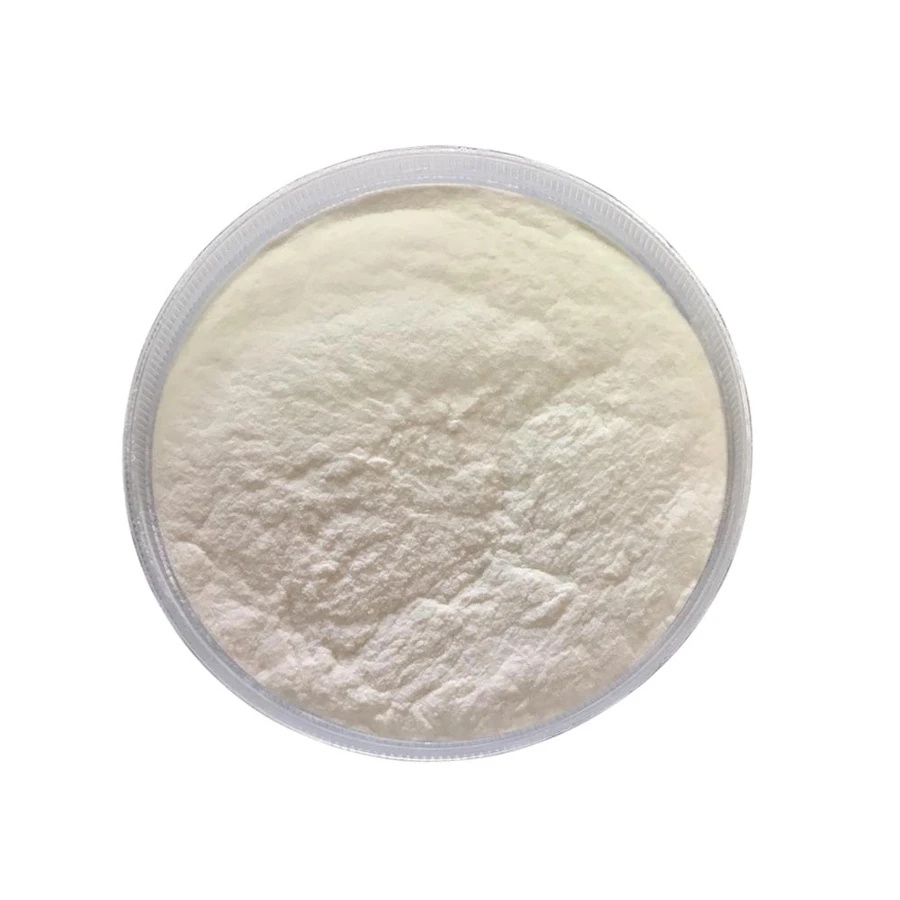
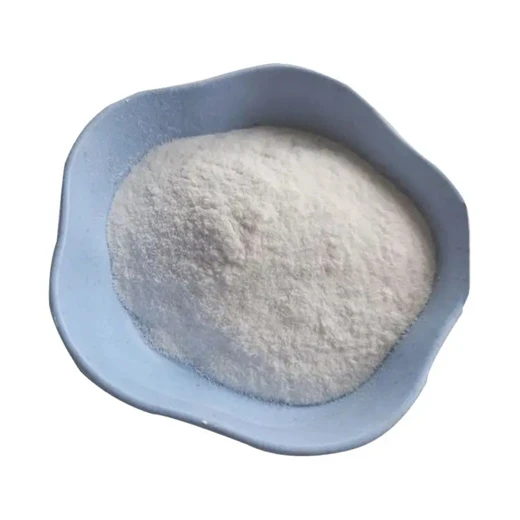
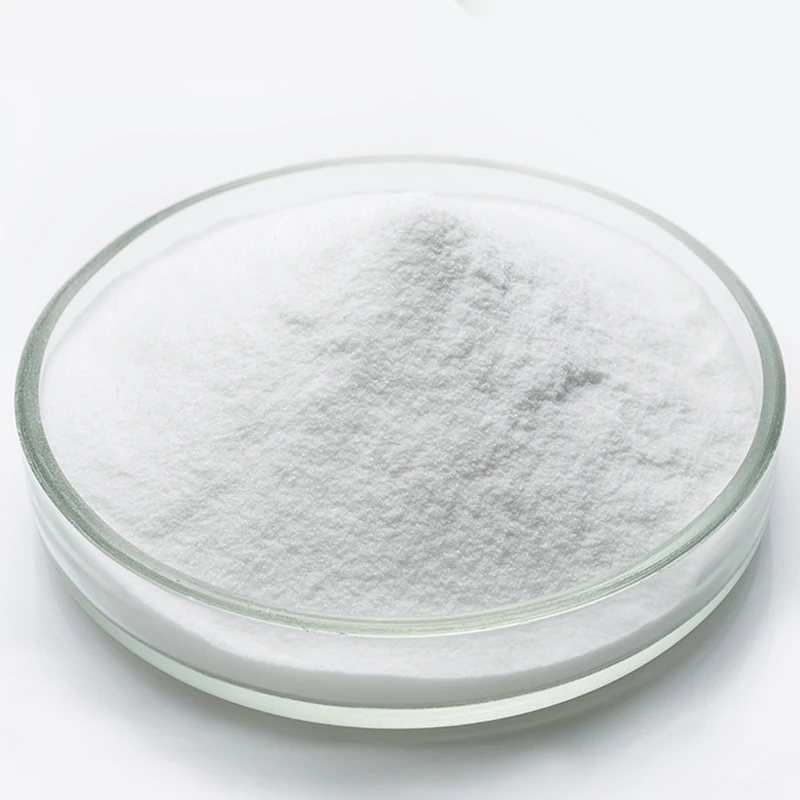
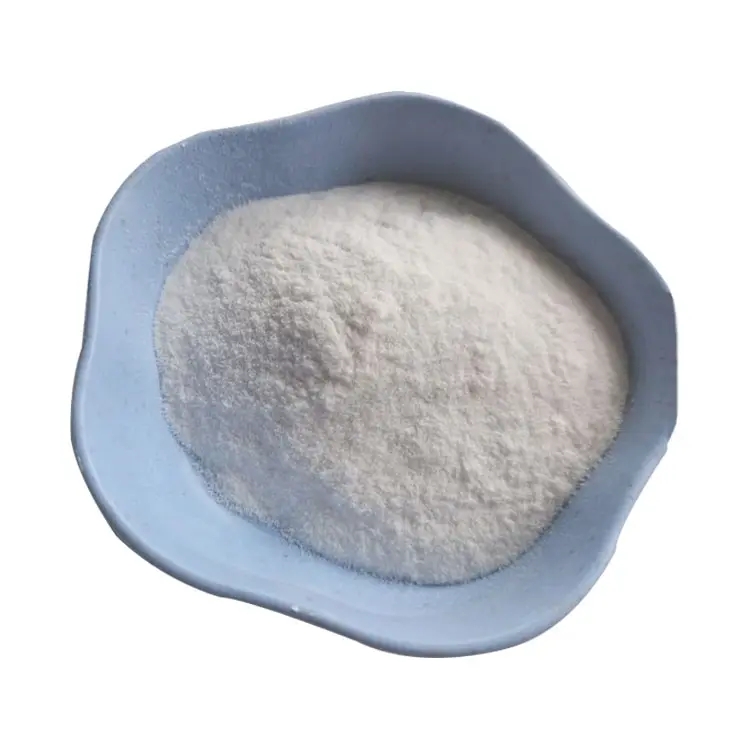
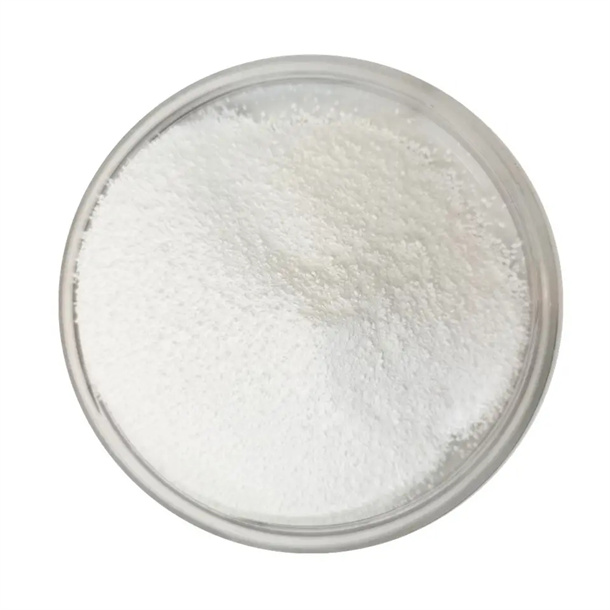
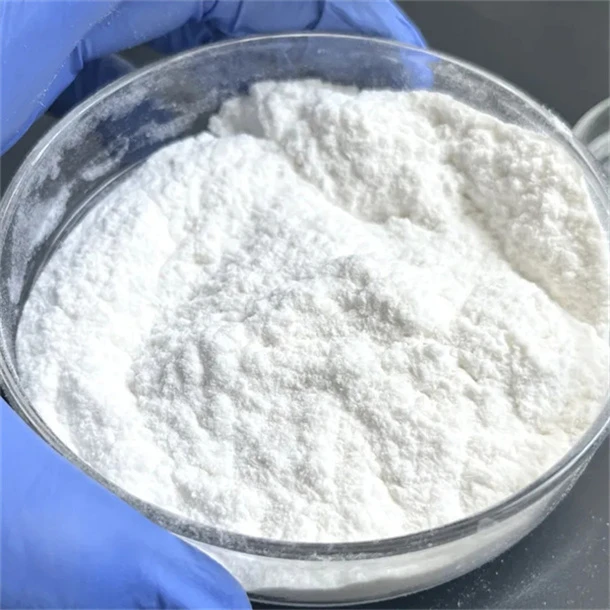
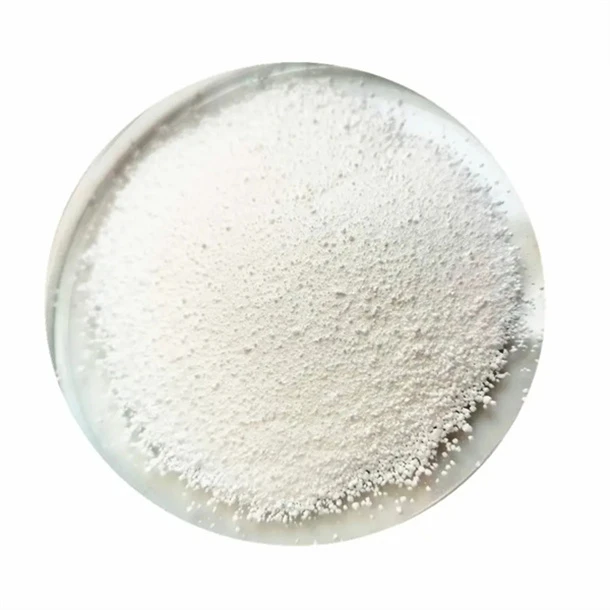
Powdered hydroxypropyl methylcellulose is a type of nonionic cellulose ether produced from natural cellulose via alkalization and the introduction of hydroxypropyl and methyl substituents. It is usually a white or off-white powder, odorless or slightly odorous, dispersible in water and gradually swelling to form a transparent or translucent viscous solution. It functions as a thickener, water-retaining agent, film-former, binder, lubricant, suspension stabilizer, and rheology modifier, and exhibits good compatibility with most salts and formulation components. With different viscosity grades and degrees of substitution, it meets a wide range of application requirements. Typical applications include tablet binding and coating, sustained- and controlled-release matrix materials, and capsule formulations in the pharmaceutical industry; thickening, stabilization, and texture improvement in food; thickening, film-forming, and suspension stabilization in daily chemicals and personal care; as well as water retention, anti-sagging, and improved workability in building materials and aqueous systems.
According to the latest report Global Powdered Hydroxypropyl Methylcellulose Market Report 2026–2032 by the QYResearch team, the global market size of powdered HPMC is expected to reach $990 million by 2032, with a compound annual growth rate (CAGR) of 4.3% in the coming years.
Market Drivers
Green Transformation of the Global Construction Industry and Popularization of High-Performance Mortars Form the Core Growth Engine
The primary driver of the powdered hydroxypropyl methylcellulose (HPMC) market is the rising global demand for energy-saving and environmentally friendly building materials. As an indispensable functional additive in modern construction materials such as dry-mixed mortars, tile adhesives, external wall insulation systems, self-leveling flooring, and putty powders, HPMC significantly improves construction efficiency and project quality through its excellent water retention, thickening, and open-time adjustment properties.
With the updated EU Energy Performance of Buildings Directive, the full implementation of green building evaluation standards under China’s “Dual Carbon” strategy, and the expanding market for energy-saving retrofitting of existing buildings in North America, the application ratio of high-quality cement-based building materials continues to rise. As a key additive ensuring reliable bonding of these high-performance materials in thin-layer construction, high-temperature environments, and porous substrates, the unit consumption of HPMC increases steadily with the upgrading of building material technologies. Industry data show that the construction sector accounts for approximately 50%–60% of total global HPMC consumption. Against the macro background of deepening urbanization and concurrent stock building renewal, this core segment demonstrates strong demand rigidity and growth resilience, serving as the cornerstone supporting the continuous expansion of the powdered HPMC market.
Water-Based Transformation and High-Performance Upgrading of the Coatings Industry Form an Important Industrial Application Sector
In the coatings and finishes industry, powdered HPMC serves as a key rheology modifier and protective colloid for aqueous systems, and its market space continues to expand with the deepening “oil-to-water” transition of the global coatings industry.
As national regulations on volatile organic compound (VOC) emissions become increasingly stringent, the replacement of solvent-based coatings with water-based alternatives—including architectural coatings, industrial protective coatings, and wood coatings—has evolved from a trend into reality. In aqueous resin systems such as acrylics, alkyds, and epoxies, HPMC not only provides precise viscosity control to optimize application performance but also prevents pigment settling, improves film uniformity, and enhances adhesion to porous substrates, making it a standard additive in formulators’ toolkits.
Especially in the Chinese market, the dual pressures of regular environmental inspections and consumption tax policies have accelerated the capacity shift of small and medium-sized coating enterprises from low-end solvent-based products to mid-to-high-end water-based products. This structural adjustment has directly driven procurement demand for stably supplied, reliably performing domestic HPMC products. Although the sector faces substitution competition from alternatives such as hydroxyethyl cellulose (HEC), HPMC maintains considerable market share and growth potential due to its cost-effectiveness and advantages in specific applications such as textured stone-like paints.
-
What Are The Causes Of Poor Sandability And Workability Of Wall Putty?
NewsMar.17,2026
-
Hydroxypropyl Methyl Cellulose (plastering gypsum)
NewsJun.10,2024
-
What is HPMC made from
NewsJun.10,2024
-
The role of hydroxypropyl methyl cellulose in various industries
NewsJun.10,2024
-
4 factors to HPMC water retention(1)
NewsJun.10,2024